
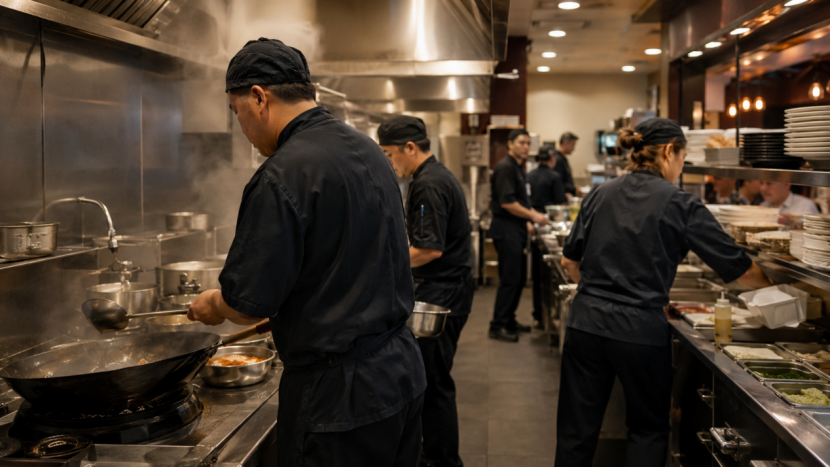
During the lunch and dinner rush, dine-in, delivery, and takeout orders often reach the kitchen at the same time. Prep, marinating, seasoning, cooking, and plating all need to happen quickly. If one step slows down, orders can begin to pile up.In many cases, the problem is not that the cooks are working too slowly. It is that too many tasks still need to be completed during peak hours. Standardized food solutions move some of the repetitive, time-consuming work to an earlier stage, allowing the kitchen to focus on reheating, finishing, final seasoning, and plating.
Standardization Does Not Mean Losing Your Restaurant’s Identity
Standardized products do not mean that every dish is simply heated and served. They are also not intended to replace chefs.
A more practical approach for Chinese restaurants is to complete tasks such as cleaning, cutting, basic marinating, slow cooking, and sauce preparation in advance. The restaurant can then finish each dish according to its menu and customers’ preferences.
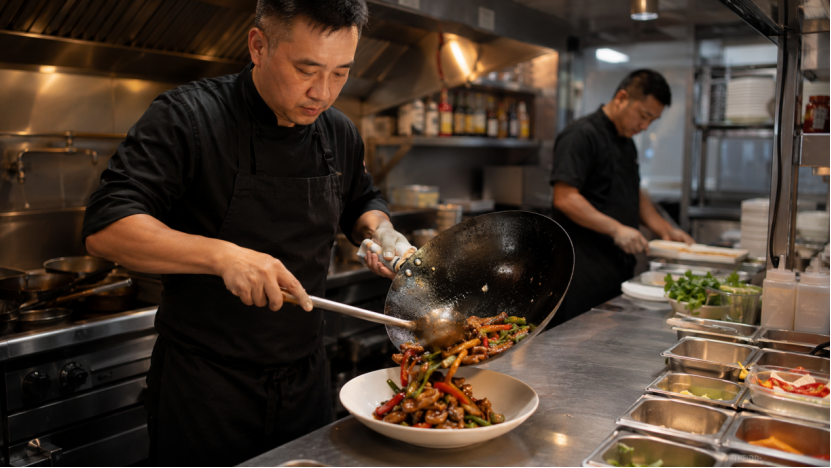
For example, a meat dish can be pre-processed, seasoned, and portioned. When an order comes in, the kitchen only needs to reheat it, reduce the sauce, add fresh ingredients, and plate the dish. This shortens the workflow while allowing the restaurant to maintain its own flavor and presentation.
Reduce Repetitive Prep and Streamline Kitchen Operations
Traditional kitchens prepare large quantities of ingredients every day. If supplies run low during peak hours, staff may need to stop and cut ingredients or prepare sauces, slowing down the entire line.
With standardized products, selected dishes can follow a simpler process:
Retrieve — Reheat — Finish — Plate
Instead of starting with raw ingredients for every order, kitchen staff can complete more dishes in the same amount of time.
Improve Consistency in Portions, Flavor, and Cost
When different employees prepare the same dish, portion size, seasoning, and doneness may vary. These differences often become more noticeable during busy service periods.
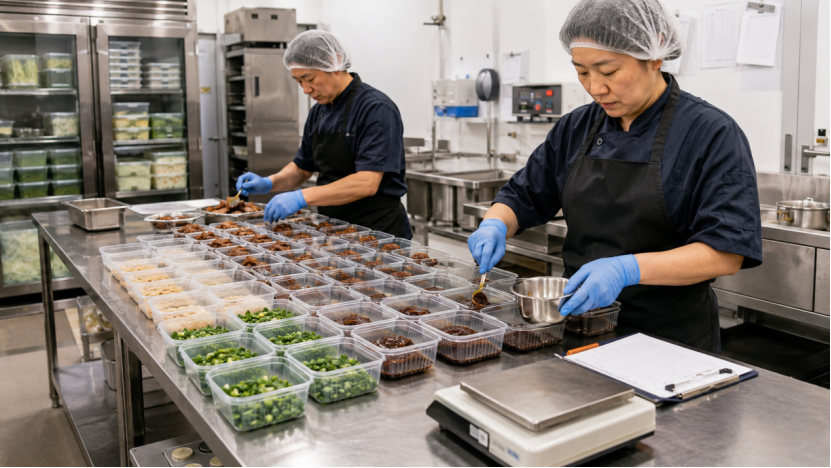
Standardized products provide clear specifications for base recipes, product weight, and packaging. Restaurants can still adjust spice levels, sauces, side ingredients, and plating, while keeping the core flavor and portion size more consistent.
Fixed product specifications also make it easier to calculate food cost, monitor inventory, and estimate the amount needed for each dish. By comparing sales, remaining inventory, and product waste, restaurants can gradually adjust purchasing quantities and reduce losses from over-preparation.
Product Standards and Operating Procedures Work Together
After standardized products arrive at the restaurant, they must still be stored, thawed, reheated, and held according to product instructions and local food-safety requirements.
Each product should also have simple operating instructions that clearly explain portion size, preparation time, finishing steps, and plating standards. Peak-hour efficiency improves only when both the product and the kitchen workflow are standardized.
The value of standardized food solutions is not simply that they make cooking faster. They move repetitive tasks out of the busiest service periods, allowing the kitchen team to focus on the areas that require greater skill and judgment, including heat control, final seasoning, and presentation.
Shinshot NutriLab provides standardized and customized food solutions for Chinese restaurants across the United States. We work with restaurants to develop products based on their menus, flavor preferences, portion requirements, packaging needs, and service workflows—helping kitchens operate more efficiently and consistently during peak hours.